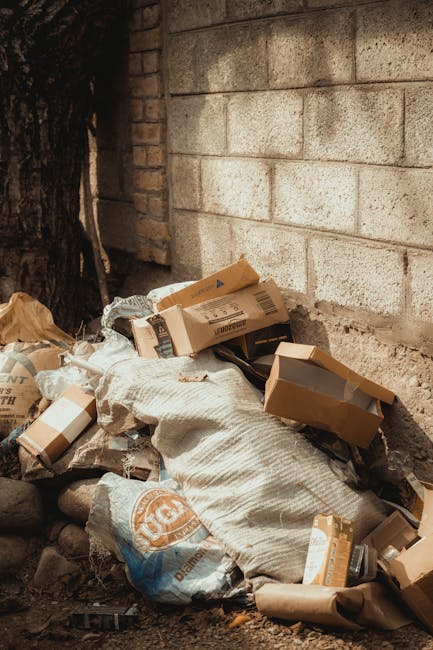
Household rubbish collection East Sheen step by step guide
If you are staring at a hallway full of old bags, a broken chair, a few boxes from the loft, and that one appliance you keep meaning to sort out, you are not alone. A good Household rubbish collection East Sheen step by step guide should take the stress out of the process, not add to it. In East Sheen, where space can be tight and weekend plans disappear quickly, the trick is to know what to sort, what to separate, and how to arrange collection without turning the whole day into a drama.
This guide walks you through the practical side of household rubbish collection in plain English: how it works, what to prepare, which mistakes to avoid, and when it makes more sense to use a professional clearance service. If you want a smoother, safer, more organised way to deal with mixed household waste, you are in the right place.
Why Household rubbish collection East Sheen step by step guide Matters
Household rubbish collection sounds straightforward until you are the one doing it. Then the questions start: what can be mixed together, what needs separate handling, what is safe to leave out, and how do you avoid a messy pile that sits there for days? A clear process matters because household waste is rarely one neat category. Most homes produce a mix of general rubbish, packaging, old furniture, appliances, garden waste, and sometimes awkward items that need extra care.
In East Sheen, the value of planning is even greater because access, parking, and timing can shape the whole collection experience. A bit of advance sorting can save time, reduce lifting, and stop your collection from becoming one of those jobs that somehow takes all afternoon. Truth be told, most people do not need more motivation; they need a workable order of operations.
This guide also helps you make sensible decisions. Should you book a one-off collection, use a clearance team, or build a few loads yourself? Should you separate recyclable materials first? What happens if you have a fridge, mattress, or broken sofa in the mix? These are the practical details that make the difference between a smooth collection and a frustrating one.
For readers who want more than a basic tip sheet, it is worth understanding the broader household clearance picture too. Services such as home clearance and house clearance are often useful when rubbish is part of a larger declutter or move. Not every job needs that level of support, of course, but it is good to know what is available.
How Household rubbish collection East Sheen step by step guide Works
At a practical level, household rubbish collection is the organised removal of unwanted domestic waste from your property. The process usually starts with identifying what you have, then separating items by type, then arranging collection, and finally ensuring everything is loaded and taken away safely. Simple in theory. Slightly less simple when you discover three different kinds of broken bits in the same cupboard.
Most collections work best when the customer has already grouped items sensibly. General rubbish goes together. Recyclable packaging can often be bagged separately. Bulky items such as wardrobes, sofas, or appliances are best kept apart so they can be handled properly. If there are items that may need specialist treatment, such as old chemicals or electrical goods, those should be flagged before collection day.
For some households, a standard rubbish removal visit is enough. For others, a clearance service is the better fit, especially if waste has built up in several parts of the property. If you are dealing with a loft, garage, or awkward storage area, related services like loft clearance or garage clearance may save a lot of time and lifting.
The important thing is not to overcomplicate it. A good collection service should make the process feel calm and predictable. You prepare the waste, they remove it, and the space is yours again. That's the basic idea, anyway.
Key Benefits and Practical Advantages
There are several reasons household rubbish collection is worth doing properly rather than rushing at the last minute. The first is obvious: it clears space. A tidy hallway, kitchen, or spare room changes how a home feels. You notice the light again. You can walk without sidestepping bags. Small thing, big difference.
The second benefit is safety. Loose rubbish, heavy bags, old glass, sharp metal, and broken furniture can all create avoidable risks. Good sorting reduces the chances of cuts, trips, and awkward lifts. It also makes it easier for anyone helping you on the day.
The third benefit is efficiency. When items are grouped properly, collection is faster. Faster means less disruption, fewer extra trips, and less chance of something being missed. It can also reduce the chance of a collection being delayed because the load was not prepared properly.
There is also a sustainability angle. If you separate recyclable and reusable items where possible, the collection becomes more environmentally responsible. If you want to learn more about responsible disposal and diversion from landfill, the site's recycling and sustainability approach is a useful place to start.
And then there is the mental benefit, which people often underestimate. Clearing rubbish after a renovation, a family clear-out, or simply a period of busy living can feel like taking a breath after holding it in for too long. A bit dramatic? Maybe. But not far off.
| Benefit | What it looks like in practice | Why it matters |
|---|---|---|
| Space recovery | Clear rooms, hallways, and storage areas | Makes the home easier to use day to day |
| Safety | Fewer sharp edges, trip hazards, and heavy lifting risks | Reduces avoidable accidents |
| Speed | Collection is smoother when items are sorted properly | Saves time and hassle |
| Better disposal choices | Recyclables and reusable items are handled more sensibly | Supports more responsible waste management |
Who This Is For and When It Makes Sense
This guide is useful for anyone in East Sheen who needs to remove household rubbish without fuss. That includes homeowners, tenants, landlords, families, people clearing out after a move, and anyone facing a one-off pile-up of mixed waste. It is also handy if you are dealing with a garage, loft, or spare room that has quietly become the family dumping ground. We all have one of those, or know someone who does.
It makes sense when the waste is too much for normal bins, too bulky for an easy car run, or too mixed to deal with casually. It is also a strong option when you simply want the job done in one go rather than stretching it across several weekends. Let's face it, weekend waste jobs tend to become "next weekend" jobs very quickly.
The guide is especially relevant if you are deciding between a simple collection and a broader clearance. For example, if the rubbish is mixed with old dining chairs, worn-out mattresses, or appliances, you may benefit from dedicated disposal services such as mattress and sofa disposal or fridge and appliance removal.
It is also worth thinking about privacy and security if you are clearing paperwork or items with sensitive data. In those cases, a confidential shredding service may be the sensible addition to a household clean-up.
Step-by-Step Guidance
Here is the practical bit. If you want household rubbish collection to go smoothly, follow the process below in order. Nothing fancy. Just a clear, workable routine.
-
Walk through the property and identify everything that needs to go.
Start room by room. Kitchen, bathroom, loft, bedroom, garage, garden. Be methodical. Write down the obvious items first, then the awkward bits hiding in corners or under shelves. A quick scan with a notebook or phone note helps more than people expect.
-
Separate general rubbish from bulky or specialist items.
Bag up loose domestic rubbish, but keep bulky waste apart. Old furniture, broken appliances, mattresses, and electrical items often need different handling. This step saves time later and prevents last-minute confusion on collection day.
-
Check for anything hazardous or restricted.
Items like paint, solvents, gas canisters, sharp materials, or unknown chemicals should not be mixed into a normal load. If you are unsure, stop and ask before placing them with the rest of the waste. It is better to pause for five minutes than to create a safety issue.
-
Set aside reusable or recyclable items.
It is worth asking whether anything can be donated, reused, or separated for recycling. This is not about being perfect. It is about avoiding the lazy habit of throwing everything into one pile. A small bit of sorting can make a real difference.
-
Make access as easy as possible.
Clear hallways, move parked cars if needed, and make sure gates, side paths, or communal access points are usable. If the collection team can reach the items quickly, the whole job is calmer and safer. On a rainy East Sheen morning, dry access matters more than you think.
-
Estimate volume so you know what service level you need.
Look at how much rubbish you actually have. Is it a few bags? A roomful of mixed junk? Half a garage? This helps you choose between a small collection, a larger waste removal visit, or a fuller property clearance. A rough estimate is usually enough.
-
Book collection and share the important details.
Tell the provider what the waste includes, where it is located, and whether there are access issues. If there are particularly heavy items, awkward staircases, or time restrictions, say so upfront. Surprises are not fun on collection day, for either side.
-
Prepare the waste before the team arrives.
Bag loose waste, tape shut any messy boxes, and keep sharp or dusty items contained. If you are dealing with household clutter after a renovation, service pages like builders waste clearance can be helpful if the load includes leftover construction materials.
-
Let the collection happen without reshuffling at the last minute.
Once the items are grouped, leave them where agreed. Constantly moving things around creates confusion. A neat, stable setup is faster to load and less likely to be damaged.
-
Do a final check before the vehicle leaves.
Walk the area once more. Check cupboards, under stairs, the back of the shed, and the top shelf in the garage. The one item you forget is usually the one you wanted gone most. Funny how that works.
Expert summary: the best collections are not the most rushed ones; they are the best prepared. Sort early, keep access clear, and flag anything unusual before the job begins. That simple approach avoids most headaches.
Expert Tips for Better Results
One of the most useful things you can do is group waste by handling type, not just by room. In other words, do not think "bedroom waste" or "kitchen waste" first. Think "bags," "cardboard," "metal," "bulky furniture," and "items needing care." That makes collection more efficient and helps whoever is loading the vehicle.
Keep lighter bags on top of heavier items, and do not overfill bags to the point where they split. It sounds obvious, but split bags are one of the main causes of a messy collection. Also, if you have several fragile items, keep them from being crushed. A broken mirror under a sofa frame is not exactly ideal.
If you have large items that are hard to manoeuvre, measure them before the day. Doorways, stair turns, and narrow hallways matter. A sofa may look fine in the living room and suddenly become a geometry problem on the landing. Been there, seen it, not charming.
Another good habit is to keep your paperwork and booking details together. That way, if you need to confirm the item list or access notes, everything is in one place. It saves a lot of back and forth, especially if you are arranging multiple clearances around the same time.
If the job is likely to be larger than expected, compare household rubbish collection with a broader waste removal option. A general waste removal service can suit mixed domestic loads that do not fit neatly into one category. And if you are managing a full property clear-out, flat clearance may be a better match than a small collection.
Common Mistakes to Avoid
The biggest mistake is leaving all the sorting until collection day. That creates pressure, slows everything down, and tends to bring out bad decisions. You start asking "Can this go with that?" while standing next to a heap of waste, and before you know it the mood has gone downhill a bit.
Another common issue is mixing specialist waste into general rubbish. Appliances, mattresses, and potentially hazardous items may need separate handling. If you are unsure, do not assume. Check first. That is especially true for items with electrical parts or anything that could leak, crack, or spill.
People also forget about access. A clear driveway, open gate, or tidy path may seem small, but these things save real time. A collection team can only move efficiently if they can actually reach the load. Even the best plan becomes clumsy if there is a bike, garden pot, and recycling box blocking the way.
A quieter mistake is underestimating volume. A few piles in the spare room can turn into a surprisingly large load once bagged and stacked. It happens all the time. If you are close to the limit of what you thought you had, build in a little margin.
And finally, do not forget to ask about restricted or unusual items. Hazardous materials, confidential documents, and bulky electricals deserve more attention. If in doubt, separate them and speak to the provider before collection. It is just cleaner, safer practice.
Tools, Resources and Recommendations
You do not need much equipment to prepare a normal household rubbish collection, but the right basics make the job easier. Strong refuse sacks, gloves, tape, a marker pen, and a couple of sturdy boxes are often enough. A trolley or sack barrow can also help if you have heavier bags or awkward items to move.
A simple phone camera is surprisingly useful. Take photos of the waste before collection, especially if you want to show bulky items, access points, or anything unusual. It helps the provider give a clearer response and reduces misunderstanding. Nothing elaborate. Just practical.
If you are still deciding how the waste should be handled, the following pages can help you understand related options:
- pricing and quotes for planning the job properly
- book online if you want to move quickly once you know what you need
- what can go in a skip if you are comparing disposal methods
- furniture disposal for chairs, tables, wardrobes, and similar bulky items
One small recommendation: keep a "don't forget" pile for items you are still deciding about. That could be an old file box, a spare lamp, or a broken small appliance. It stops those borderline pieces from slowing down the whole process. Little system, big payoff.
Law, Compliance, Standards, and Best Practice
Household rubbish collection is not just about tidiness; it also sits within the normal expectations around safe and responsible waste handling in the UK. You do not need to become an expert in regulations to get this right, but it helps to follow common best practice. That means separating waste sensibly, not mixing obviously hazardous items with general rubbish, and ensuring the load is handled by someone who is appropriate for the type of waste involved.
For domestic customers, the key principle is simple: do not place dangerous, leaking, or unidentified items into general waste without checking first. Electricals, sharp items, liquids, and contaminated materials should be treated carefully. If you are clearing a home after a long period of accumulation, take a slower, more cautious approach. It is not about being over-cautious; it is about not making a simple job messy.
Professional providers should also have clear procedures for health and safety, insurance, and responsible handling. If you are comparing services, it is sensible to look for reassurance on topics such as health and safety policy, insurance and safety, and payment and security. These pages do not replace common sense, but they do show that the service is set up with care.
Best practice also means honesty about the load. If the pile contains more than general household rubbish, say so. If there is a fridge, sofa, mattress, or any item that needs special handling, disclose it. That is the simplest way to keep everything safe and avoid awkward delays.
Options, Methods, and Comparison Table
There is more than one way to deal with household rubbish in East Sheen. The best choice depends on volume, access, item type, and how quickly you want the job finished. Here is a straightforward comparison.
| Method | Best for | Pros | Trade-offs |
|---|---|---|---|
| Self-loading and multiple trips | Very small loads | Flexible if you have time and transport | Can take ages, especially with bulky items |
| Skip-based disposal | Longer projects with a steady waste stream | Handy for ongoing clear-outs | Needs space and proper planning |
| Professional rubbish collection | Mixed domestic waste and bulky items | Fast, convenient, less manual effort | Needs clear information about the load |
| Full property clearance | House, flat, loft, garage, or major declutter | Best for larger or more complex jobs | More involved than a simple collection |
If the job is mostly furniture or heavier items, specific services can be more efficient than a general collection. For example, furniture clearance can be a better fit when bulky household pieces are the main issue. For garden-heavy loads, garden clearance may be more appropriate. Small choice, big difference in how smoothly the day goes.
Case Study or Real-World Example
Here is a realistic East Sheen-style scenario. A family has lived in the same house for years and finally decides to deal with the accumulation in the garage, spare bedroom, and under the stairs. Nothing dramatic, just life. Old boxes, a broken shelving unit, a mattress that should have gone ages ago, bits of garden waste, and a few bags of general rubbish.
They start by making three piles: general waste, bulky items, and "not sure yet." That last pile is important. It usually contains the things people keep walking past because they are not fully decided. Within an hour, the load looks far more manageable. They then clear the front path, move a bike, and open up the side access. That alone saves time.
On collection day, the team can see what is going, where it is, and how to move it. The mattress is separated, the old shelving is easy to lift, and the bags are sealed properly. Nothing fancy. Just a decent plan. The result is a much calmer experience than if everything had been left in one big pile at the last second.
The family later decides to sort through the loft as well, so they book a second visit rather than trying to force everything into one day. That is a smart move, by the way. Not every project has to happen at once. Sometimes the right answer is to do the first clear-out well, then tackle the next area properly.
Practical Checklist
Use this checklist before your household rubbish collection. It keeps the job tidy and reduces avoidable issues.
- Walk through each room and list everything to remove
- Separate general rubbish from bulky items
- Keep hazardous, sharp, or unknown items out of the main load
- Set aside reusable items and recyclables where possible
- Bag loose waste securely
- Clear access routes, gates, and hallways
- Check whether large items need measuring
- Take photos of the load if helpful
- Confirm the booking details and item description
- Do one last sweep of lofts, cupboards, sheds, and under-stair spaces
If you can tick off most of the list, you are in good shape. Honestly, that is usually enough.
Get a free quote today and see how much you can save.
Conclusion
A successful household rubbish collection in East Sheen comes down to a simple formula: sort early, separate clearly, prepare access, and choose the right method for the size and type of waste. The more organised the prep, the easier the collection day becomes. And when you are dealing with busy family life, work, parking, or a house that has simply gathered too much stuff over time, that ease matters.
Whether you are clearing a few bags or a full mix of bulky domestic waste, the best approach is the one that feels safe, realistic, and efficient. Start small if you need to. Handle awkward items carefully. And if the job is bigger than expected, do not be afraid to use a service that can take the pressure off.
There is a real relief in opening a space and seeing it clear again. A little room to breathe. A little less noise in the house. Sometimes that is all a tidy-up really needs to give you.
Frequently Asked Questions
What is the best way to organise household rubbish collection in East Sheen?
The best approach is to sort waste into clear categories first: general rubbish, bulky items, recyclables, and anything that may need special handling. That makes the collection smoother and reduces the chance of delays.
Can I mix furniture with general household rubbish?
You can usually place furniture in the same overall collection, but it is better to keep it separate from bagged rubbish so it can be lifted and loaded properly. Bulky furniture often benefits from dedicated handling.
How do I know whether I need rubbish collection or a full clearance?
If you only have a few bags or a small amount of mixed waste, a collection is often enough. If several rooms, a loft, garage, or whole property are involved, a fuller clearance may be more suitable.
What items should I keep out of normal household rubbish?
Hazardous materials, unknown chemicals, leaking containers, and some electrical or specialist items should not be added to general rubbish without checking first. If in doubt, separate them and ask before disposal.
Do I need to sort recyclables before collection?
It is not always mandatory for every household job, but sorting recyclables is a sensible best practice. It can support more responsible disposal and may make the collection more efficient.
What should I do with an old fridge or freezer?
Old appliances should be handled separately because they can contain components that need careful treatment. A dedicated appliance removal service is usually the safest route.
How can I prepare for a collection if I live on a narrow street or have awkward access?
Clear the route in advance, move anything blocking the way, and tell the provider about access issues before the day. Good access planning is one of the easiest ways to avoid delays.
Is it better to book a collection online or wait until I have sorted everything?
It is usually better to sort the waste first, then book once you have a realistic picture of the load. That way the service can be matched to the actual amount and type of rubbish.
What if I am not sure how much waste I have?
Take photos and make a rough room-by-room list. That is often enough to estimate the load and avoid underbooking or overbooking. A quick visual estimate is better than guessing blindly.
Can household rubbish collection include items from the loft or garage?
Yes, it often can. In fact, lofts and garages are common places where mixed household waste builds up. If the space is full or difficult to access, a dedicated clearance may be the cleaner solution.
Are there any safety steps I should follow before the collection team arrives?
Yes. Keep pathways clear, avoid overfilled bags, separate sharp or heavy items, and do not leave hazardous materials mixed into the load. A tidy setup is safer for everyone.
What is the most common mistake people make with household rubbish collection?
The most common mistake is leaving all sorting until the last minute. That usually creates confusion and makes the collection slower. A little preparation goes a long way.