Commercial Waste Richmond upon Thames: Recycling and Sustainability in the Borough
Commercial Waste Richmond upon Thames services are evolving to meet modern environmental standards, focusing on an eco-friendly waste disposal area and the development of a resilient, sustainable rubbish area for businesses. This overview explains how the borough and its commercial waste partners are driving circular practices, increasing reuse and recovery, and aligning commercial collections with the wider borough recycling strategy.Ambitious recycling percentage target
The borough has set a clear recycling percentage target for commercial streams to complement household goals: 65% recycling and diversion from landfill across commercial waste by 2030. This target covers dry mixed recycling, food waste, textiles and targeted construction materials. Progress is measured through regular reporting from contractors, transfer stations and material recovery facilities, ensuring that the commercial waste Richmond stakeholders deliver measurable reductions in residual waste and emissions.
Local transfer stations and consolidation points
Local transfer stations play a key role in making an eco-friendly waste disposal area efficient and cost-effective. Richmond upon Thames benefits from nearby consolidation centres and transfer stations that aggregate commercial loads, sort mixed recycling and route materials to designated MRFs (materials recovery facilities). These facilities reduce vehicle miles by enabling bulk transfers and provide critical hubs for low-carbon logistics in the sustainable rubbish area.Partnerships with charities and reuse organisations are central to reducing commercial landfill and promoting a circular economy. The borough works with local and national charities — including furniture reuse charities, clothing banks and food redistribution networks — to ensure that surplus goods and edible food are diverted from the waste stream. These collaborations transform commercial waste management into an opportunity for social value, supporting community reuse and reducing the need for new raw materials.
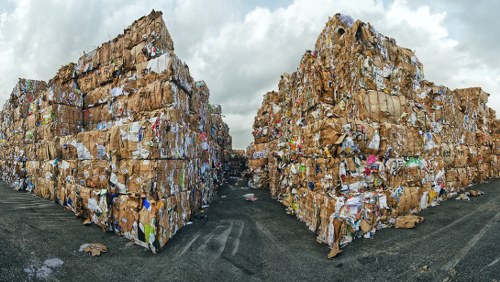
 The borough's approach to waste separation is straightforward and business-friendly: segregate food waste, paper and cardboard, glass, cans and mixed plastics, plus designated streams for textiles and small electricals. Many commercial premises adopt dedicated bins or sacks for organics and dry recycling, mirroring the kerbside systems used across neighbourhoods to make collection and processing more efficient. This separation at source increases the yield of recyclable materials and lowers contamination — essential for meeting the commercial waste Richmond upon Thames recycling goals.
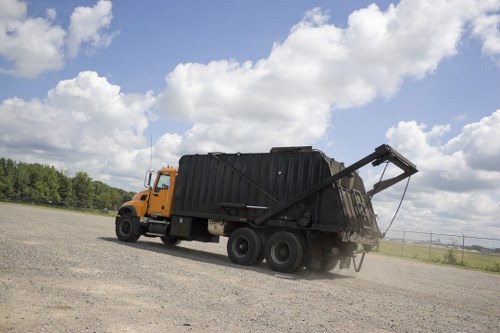
Low-carbon vans and alternative fuels are being rolled out across collection fleets to lower transport emissions for commercial collections. Operators increasingly deploy electric and hybrid vans, cargo bikes for last-mile transfers in dense town centres and route-optimisation software. These investments support emissions reductions in the borough's sustainable rubbish area while maintaining high-frequency, reliable collections for businesses.
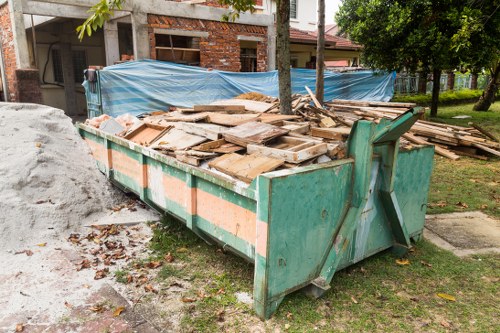
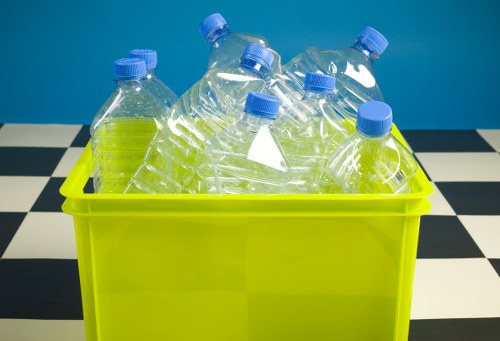
Commercial collections and processing also cover specialist recycling activities typical to the borough: glass and bottle recycling from hospitality, food waste from restaurants and markets, textile reuse from retail outlets, and separate disposal routes for construction and demolition (C&D) waste from building projects. These streams are managed to maximise recovery and to channel materials to the most suitable treatment: anaerobic digestion for food waste, reprocessing lines for glass and plastics, and dedicated recycling for inert and mixed construction materials.
 Services and provisions for businesses include:
- Scheduled commercial recycling collections with segregated streams;
- Access to local transfer stations and consolidation hubs for bulk waste;
- Partnership schemes with charities for reuse of furniture, clothing and surplus food;
- Specialist disposal routes for C&D, electricals and hazardous commercial wastes;
- Deployment of low-emission collection vehicles and route optimisation technology.
These elements combine to create a pragmatic but progressive system for managing business waste in Richmond upon Thames, enabling both small retailers and large commercial premises to meet environmental responsibilities while benefiting from efficient, cost-effective collections.
 To support the recycling percentage target and feed the sustainable rubbish area, monitoring and continuous improvement are emphasised: audit programmes, contamination reduction campaigns and stronger data sharing between businesses, contractors and transfer stations. This collaborative model ensures the borough meets its diversion goals and maintains high material quality standards for recycling and recovery streams.
Business leaders in the borough are encouraged to play an active role in shaping the local sustainable rubbish area: aligning procurement with recycled-content products, engaging employees in segregation practices and partnering with charities to capture value from surplus materials. The focus is on creating long-term reductions in waste generation, improving the economics of recycling and reducing the carbon footprint of commercial waste management across Richmond upon Thames.
Conclusion: Commercial waste services in Richmond upon Thames are evolving toward a cleaner, lower-carbon future. By targeting a 65% commercial recycling rate, strengthening links with local transfer stations, partnering with charities for reuse, and introducing low-carbon vans into collection fleets, the borough is building a resilient, efficient and truly eco-friendly waste disposal area that supports sustainable business operations and community wellbeing.
